| «‹ September 2026 ›» | | S | M | T | W | T | F | S | | | 1 | 2 | 3 | 4 | 5 | | 6 | 7 | 8 | 9 | 10 | 11 | 12 | | 13 | 14 | 15 | 16 | 17 | 18 | 19 | | 20 | 21 | 22 | 23 | 24 | 25 | 26 | | 27 | 28 | 29 | 30 | |
|
2026 年 6 月 6 日 星期六  |
| The Ultimate Guide to Bubble Ton... |
分類: 未分類 |
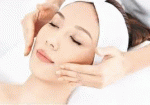
Introduction to Bubble Toners The world of skincare is in a constant state of evolution, with innovative formulations emerging to address our ever-growing desire for effective and enjoyable routines. Among these exciting developments, bubble toners have risen from a niche trend to a mainstream staple. But what exactly are they? At their core, bubble toners are a unique type of facial toner that transforms from a liquid or gel into a light, oxygenated foam upon application. This effervescent texture is not just a marketing gimmick; it's a deliberate formulation choice designed to enhance the product's interaction with your skin. The bubbling action is typically triggered by a pump mechanism or by the product's contact with air and skin temperature, creating a luxurious and sensory experience that feels both refreshing and effective. Their surging popularity, particularly in markets like South Korea and Hong Kong, can be attributed to a confluence of factors. Firstly, they align perfectly with the global shift towards multi-functional skincare products that deliver multiple benefits in a single step. Secondly, the playful, spa-like application process makes skincare feel less like a chore and more like a self-care ritual, appealing to younger demographics and seasoned enthusiasts alike. In Hong Kong, where consumers are highly informed and quick to adopt cutting-edge beauty tech from Korea and Japan, bubble toners have seen a significant uptake. A 2023 survey by a major Hong Kong beauty retail chain indicated that sales of foam-based skincare, including bubble toners, grew by over 40% year-on-year, highlighting their rapid integration into local routines. The key benefits that have propelled bubble toners to fame are threefold: superior hydration, gentle exfoliation, and skin brightening. Unlike some traditional toners that can be stripping, bubble toners are often packed with humectants like hyaluronic acid and glycerin, which work with the foam's structure to push moisture deeper into the skin. The gentle massaging action of applying the foam provides a mild physical exfoliation, sloughing off dead skin cells without the abrasiveness of a scrub. Finally, many formulations include brightening agents such as niacinamide, vitamin C derivatives, or fermented extracts, which help to even out skin tone and impart a radiant glow. This powerful trifecta of benefits addresses common skincare concerns in one innovative product. How Bubble Toners Work The magic of bubble toners lies in their clever science. The transformation from liquid to foam is usually achieved through a combination of surfactants and pressurized packaging. When the product is dispensed, the sudden drop in pressure allows dissolved gases (often carbon dioxide or oxygen) to expand, creating the characteristic bubbles. These bubbles are not just air; they are often oxygen-infused, which can theoretically help boost circulation and provide an antioxidant effect. The formulation is key: it must be stable enough to remain a liquid in the bottle but readily convert to a stable, creamy foam upon release. Ingredients like coconut-derived surfactants or potassium cocoyl glycinate are commonly used for their gentle foaming properties. This bubbly structure is more than just fun; it enhances product penetration. The foam has a lower surface tension than a liquid, allowing it to spread more evenly and thinly across the skin's surface. This creates a larger contact area and can help active ingredients bypass the skin's barrier more efficiently. The micro-massage from patting in the foam also stimulates microcirculation, potentially aiding in the absorption of nutrients. Think of it as a delivery system that preps the canvas—your skin—to receive subsequent skincare products more effectively. When compared to traditional liquid toners, the differences become clear. Traditional toners often focus on a single function, such as pH balancing, removing residual impurities, or delivering a quick hit of hydration. They are applied with a cotton pad, which can lead to product waste and, if rubbed too harshly, cause irritation. Bubble toners, in contrast, are almost always applied directly with the hands. The foam format reduces waste, ensures even application, and incorporates the gentle massage benefit. While a liquid toner might feel like a swift preparatory step, a bubble toner feels like an active treatment, offering deeper hydration and mild exfoliation from the get-go. It's a shift from a passive to an active toner category. Benefits of Using Bubble Toners The advantages of incorporating a bubble toner into your regimen are multifaceted. First and foremost is deep hydration and moisture retention . The foam texture acts as a vehicle that carries hydrating ingredients like hyaluronic acid, beta-glucan, and ceramides into the skin. As the bubbles collapse, they leave behind a concentrated layer of moisture-binding agents that help plump the skin and reduce trans-epidermal water loss (TEWL), keeping your skin supple throughout the day. Secondly, they provide gentle exfoliation for smoother skin . The act of gently pressing and patting the foam onto your face provides a very mild physical exfoliation. This helps to dislodge and remove dead skin cells that can make the complexion look dull and feel rough. For those who find chemical exfoliants too strong or physical scrubs too abrasive, this is a perfect middle ground. It promotes smoother skin texture without compromising the skin barrier, paving the way for a more refined and even surface. Third, many bubble toners are formulated with ingredients aimed at brightening and evening out skin tone . Ingredients like niacinamide (Vitamin B3), alpha-arbutin, licorice root extract, and galactomyces ferment filtrate work to inhibit melanin production, fade dark spots, and improve overall luminosity. The brand , for instance, is renowned for incorporating traditional Hanbang ingredients with modern science, and their approach to brightening is both effective and gentle. An often-overlooked benefit is the improved absorption of subsequent skincare products . By thoroughly hydrating and softly exfoliating the skin's top layer, a bubble toner creates an optimal, prepped canvas. Serums, ampoules, and moisturizers applied afterward can penetrate more deeply and work more effectively, maximizing the value of your entire skincare routine. Finally, due to their typically gentle, low-pH formulations and the absence of harsh application methods, bubble toners are frequently suitable for sensitive skin types . The foam is cushioning and less likely to cause friction-induced redness. However, as with any product, checking the ingredient list for potential irritants is crucial. How to Choose the Right Bubble Toner Selecting the perfect bubble toner begins with a fundamental step: understanding your skin type . Is your skin oily, dry, combination, sensitive, or mature? Your primary concern will guide your choice. For dry or dehydrated skin, look for toners emphasizing hyaluronic acid, ceramides, and honey. For oily or acne-prone skin, seek out formulas with centella asiatica, tea tree, or salicylic acid (in gentle concentrations) to control sebum and soothe inflammation. Combination skin benefits from balancing ingredients like mugwort or green tea, while sensitive skin should prioritize minimal ingredient lists with soothing agents like panthenol and madecassoside. Next, familiarize yourself with key ingredients to look for . Beyond the basics, potent actives can elevate a bubble toner: - Hyaluronic Acid & Sodium Hyaluronate: For multi-level hydration.
- Vitamin C Derivatives (Ascorbic Acid, Sodium Ascorbyl Phosphate): For brightening and antioxidant protection.
- Niacinamide: A multi-tasker for pore refinement, oil control, and brightening.
- Fermented Extracts (Galactomyces, Bifida): To strengthen the skin barrier, improve elasticity, and brighten.
- Antioxidants (Green Tea, Vitamin E, Grape Seed Extract): To combat environmental free radicals.
Equally important is knowing ingredients to avoid , especially if you have reactive skin. High concentrations of denatured alcohol, synthetic fragrances, and essential oils can be drying or irritating. Harsh sulfates (SLS/SLES) used as foaming agents might strip the skin. Always opt for alcohol-free and fragrance-free options if you are prone to sensitivity. Finally, leverage the wisdom of the crowd by reading product reviews and ratings . Platforms like Olive Young Global, Sephora Hong Kong, and local beauty blogs provide invaluable insights. Look for reviews from people with a similar skin type and concern as yours. Pay attention to comments about texture, scent, longevity of the foam, and visible results over time. A product with consistently high ratings and detailed positive testimonials is often a safer bet. How to Use Bubble Toners Using a bubble toner correctly ensures you reap all its benefits. Follow this simple step-by-step application guide : - Cleanse: Start with a freshly cleansed face. Pat dry gently, leaving skin slightly damp.
- Dispense: Shake the bottle if instructed. Press the pump to dispense a ping-pong ball sized amount of foam directly into your palm. Do not use a cotton pad.
- Apply: Gently press the foam onto your face, starting from the center (cheeks, forehead) and moving outwards. Avoid the immediate eye area.
- Pat & Massage: Using your fingertips, lightly pat and press the foam into your skin until it is fully absorbed. You can use gentle, upward circular motions. The foam will gradually disappear as it sinks in.
- Follow Up: Immediately proceed with the next steps in your routine—essence, serum, moisturizer—while your skin is still hydrated and primed.
For incorporating bubble toner into your skincare routine , it typically replaces your traditional toner step. The standard order is: Cleanser → Bubble Toner → Essence/Treatment Serum → Moisturizer → Sunscreen (AM). It can be used both morning and night. Regarding frequency of use , most bubble toners are gentle enough for daily use, both morning and evening. However, if your formula contains active exfoliating ingredients like AHAs or BHAs, you might want to start with every other day to see how your skin reacts before moving to daily application. Here are some tips for maximizing effectiveness : - Apply to damp skin to lock in extra moisture.
- Don't rub the foam in aggressively; patting is more effective and gentler.
- Use it as a quick hydrating mask by applying a thicker layer and leaving it on for 3-5 minutes before patting in the remainder.
- Store the bottle upright and in a cool place to maintain the integrity of the foaming mechanism.
Top Bubble Toner Recommendations The market is now rich with excellent bubble toners. Here is a review of some popular and highly effective options, including a standout from beauty of joseon . | Product Name | Key Ingredients | Best For | Approx. Price (HKD) |
|---|
| Beauty of Joseon Ginseng Essence Water (Note: This is a popular essence that often has a slightly bubbly, rich texture when patted in, embodying the concept) | Ginseng Root Water, Niacinamide, Ginsenosides | Brightening, Anti-aging, All skin types | 150-180 | | Some By Mi AHA-BHA-PHA 30 Days Miracle Bubble Toner | AHA, BHA, PHA, Tea Tree, Niacinamide | Acne-prone, Oily, Congested skin | 120-150 | | CNP Laboratory Propolis Energy Ampule Toner (Foam) | Propolis Extract, Honey Extract, Hyaluronic Acid | Dry, Dull, Dehydrated skin | 200-230 | | Dr. Jart+ Dermaclear Micro Foam Toner | Salicylic Acid, Zinc PCA, Peppermint Leaf Extract | Oily, Blemish-prone skin | 220-250 | | Innisfree Jeju Cherry Blossom Jelly Tone-Up Toner (Jelly-to-Foam) | Jeju Cherry Blossom Extract, Vitamin C, Niacinamide | Brightening, Dull skin | 130-160 |
When comparing, consider that the Beauty of Joseon offering, while not a "bubble toner" in the strictest pressurized sense, is frequently mentioned in the same breath due to its transformative, rich texture that provides deep hydration and brightening through its potent ginseng and niacinamide blend. For a true foaming experience, the Some By Mi toner is a cult favorite for its effective yet gentle exfoliating trio of acids. The CNP toner is a luxurious hydrating treat, while the Dr. Jart+ option is a targeted treatment for oily skin. Reader testimonials from Hong Kong forums often praise the Some By Mi toner for visibly reducing blackheads and the CNP toner for imparting an instant glow. The gentle nature of these foam formulas is a recurring highlight, especially for those in the city's humid and polluted environment. Potential Side Effects and How to Avoid Them While generally gentle, bubble toners are not immune to causing reactions. The primary risks involve allergies and sensitivities to specific ingredients. Even natural extracts or ferments can cause reactions in some individuals. Symptoms may include redness, itching, stinging, or breakouts. The golden rule to prevent this is to always conduct a patch test before full application . Apply a small amount of the foam to a discreet area like behind your ear or the inner crook of your elbow. Wait 24-48 hours to see if any adverse reaction occurs. Only proceed to use it on your face if the test area remains clear. If you have a known skin condition (like rosacea, severe eczema, or active dermatitis), are using prescription retinoids, or experience persistent irritation after a patch test, it is wise to consider consulting with a dermatologist or skincare professional . They can help you analyze the ingredient list and recommend products tailored to your skin's specific needs and tolerances. Final Thoughts on Bubble Toners Bubble toners represent a significant and delightful advancement in skincare technology. They successfully merge the lines between treatment and experience, offering deep hydration, gentle exfoliation, and brightening effects in one enjoyable step. By transforming the basic toner step into an active, skin-prepping ritual, they can enhance the efficacy of your entire routine. From the innovative formulations of K-beauty giants to the elegant, ingredient-focused philosophy of brands like Beauty of Joseon , there is a bubble toner out there for virtually every skin type and concern. By understanding your skin, reading labels carefully, and applying the product correctly, you can unlock the potential of this bubbly wonder for a healthier, more radiant complexion. Why not let a little foam transform your skincare routine today?
|
| 2026 年 6 月 1 日 星期一 |
| Express Yourself: The Ultimate G... |
分類: 未分類 |
Express Yourself: The Ultimate Guide to Funny Backpack Patches custom large back patches A Brief Introduction to the World of Backpack Patches Backpacks have evolved far beyond their utilitarian origins. Once merely a means to carry books, laptops, and gym gear, they have transformed into a powerful canvas for personal expression. In recent years, the humble backpack patch has emerged as one of the most accessible and creative ways to customize your everyday carry. Whether you are a student navigating a bustling university campus in Hong Kong, a professional commuting through the MTR, or a traveler exploring the trails of the New Territories, your backpack is a silent companion that tells a story. The growing trend is undeniably leaning towards humor. People are moving away from generic, mass-produced bags and embracing the quirky, the ironic, and the downright hilarious. Funny patches, in particular, have exploded in popularity, serving as tiny billboards that broadcast your personality without saying a word. From a sarcastic quip about Mondays to a beloved meme character, these patches add a layer of individuality that factory designs simply cannot replicate. The beauty of this trend lies in its inclusivity; anyone can participate, regardless of age or style. As we delve deeper, we will explore how incorporating elements like `` can turn a simple accessory into a statement piece, blending aesthetics with amusement. This guide is designed to walk you through everything you need to know about selecting, applying, and enjoying funny backpack patches, ensuring your bag becomes a true reflection of your unique sense of humor. Why Choosing Funny Patches Transforms Your Everyday Carry Personalization and Self-Expression The primary driver behind the popularity of funny patches is the unprecedented level of personalization they offer. In a world where conformity often dominates fashion trends, patches allow you to take a stand—or in this case, a laugh. They are a low-commitment, high-impact way to modify your gear. Consider the difference between a plain black JanSport and one covered in patches that reference your favorite niche comedy show, a pun about your profession, or a meme that perfectly sums up your personality. The latter immediately communicates something about you. For Hong Kong consumers, where space is at a premium and personal style is often expressed through accessories, patches offer a compact solution. You can curate a collection that evolves with your tastes. `` are particularly popular for those who want a bold, central design that anchors the rest of their collection. This form of expression is not just about aesthetics; it is about claiming ownership of your belongings. When you sew or iron on a patch that makes you genuinely laugh, you forge a deeper connection with your bag. It becomes yours, uniquely and irreversibly. This DIY ethos resonates strongly in local creative communities, from Sham Shui Po’s fabric markets to the studios of independent designers in Wong Chuk Hang. By choosing patches that reflect your inner world, you are engaging in a form of artistic curation that is both personal and public. Patches as Effortless Icebreakers Beyond mere decoration, funny backpack patches serve as powerful social lubricants. In a city as fast-paced and densely populated as Hong Kong, striking up a conversation with a stranger can sometimes feel awkward or forced. A well-chosen patch can dissolve that barrier instantly. Imagine you are on a crowded MTR train during rush hour. Someone notices your patch featuring a cleverly designed reference to a classic Stephen Chow movie. A simple glance, a shared smile, and suddenly you have a moment of connection with a fellow fan. This is the magic of a good conversation starter. Patches with witty one-liners, pop culture references, or absurdist humor act as visual cues that invite interaction. They signal a shared understanding, a common interest, or simply an appreciation for the absurd. For introverts, a funny patch can do the talking, reducing the pressure to initiate dialogue. For extroverts, it is an easy opening line. In social settings like university common rooms, hiking groups on Lantau Island, or evening gatherings in Lan Kwai Fong, these patches can spark discussions ranging from light-hearted banter to deep dives into shared fandoms. They are a non-verbal invitation to connect, proving that sometimes, the best conversations start with a laugh. The Mood-Boosting Power of Humor In the hustle and bustle of daily life, finding small sources of joy is crucial for mental well-being. A funny patch on your backpack is more than just a decoration; it is a daily dose of laughter. The positive impact of humor on our daily lives is well-documented—it reduces stress, increases pain tolerance, and improves overall mood. Seeing a hilarious patch on your bag every time you reach for your water bottle or laptop can provide a micro-moment of happiness. For example, a patch that says "I need a nap" or a picture of a cat in a ridiculous pose can bring a smile to your face during a stressful workday. This effect is not limited to you; it extends to those around you. You might brighten the day of a tired commuter or a stressed-out student simply by carrying a bag that makes them chuckle. In a high-pressure environment like Hong Kong, these small acts of public humor are invaluable. They are a form of passive kindness, a silent acknowledgment that we can all use a little more laughter. By adorning your bag with `` that prioritize humor, you are actively choosing to inject levity into your routine. It is a small but powerful act of self-care. Exploring the Diverse Types of Funny Backpack Patches Pop Culture References and Memes The most recognizable category of funny patches draws directly from the cultural zeitgeist. These patches feature memes, beloved TV shows, iconic movie quotes, and characters from video games. The genius of pop culture patches is that they tap into a shared global language. A patch depicting the famous "Distracted Boyfriend" meme or a screenshot from a viral TikTok dance immediately resonates with anyone who has spent time online. In Hong Kong, local variants are also popular, such as patches referencing classic TVB dramas, iconic Cantonese movie lines, or local internet celebrities. These patches are not just funny; they are a badge of belonging, signaling that you are part of a particular cultural circle. They allow you to carry a piece of your favorite entertainment with you wherever you go. The market for such patches is vast and ever-changing, with new designs popping up as quickly as new memes go viral. When you invest in high-quality `` featuring a timeless character like SpongeBob or a modern favorite like Baby Yoda, you are making a durable investment in your personal brand. These patches often become nostalgic artifacts, reminding you of specific eras of your life. Sarcastic Sayings and Witty Remarks For those who prefer their humor with a sharp edge, sarcastic saying patches are the perfect choice. These patches often feature phrases like "I’m not arguing, I’m just explaining why I’m right," "Sorry for what I said before I had coffee," or "I have a degree in sarcasm." Their appeal lies in their relatability and wit. They allow the wearer to project a certain attitude—self-deprecating, cynical, or defiant—without being overtly rude. In a professional or academic setting, a sarcastic patch can serve as a humorous disclaimer, signaling that you don't take yourself too seriously. They are particularly popular among students and young professionals in Hong Kong who navigate high-stress environments and use humor as a coping mechanism. The best sarcastic patches have a clean, bold design that makes the text easy to read from a distance. They often use stark contrasts, such as white text on a black background, to maximize impact. Whether sewn onto a canvas backpack or applied to a sleek laptop bag, these patches add a touch of rebellious humor. Pun-tastic Patches and Wordplay Puns are a universal form of humor that appeals to the linguistically inclined. Pun patches rely on clever wordplay, often combining an image with a double-meaning phrase. Examples include a patch of a loaf of bread saying "I knead you," a raccoon saying "I’m trash," or a whimsical take on "Let’s taco ‘bout it." These patches are charming, lighthearted, and often elicit a groan and a smile at the same time. In a multicultural city like Hong Kong, where many people are bilingual or trilingual, pun patches that play on both English and Cantonese can be particularly clever and popular. They require a moment of mental processing, rewarding the viewer with a chuckle once the joke clicks. Creating or finding a unique pun patch can be a fun treasure hunt. Many independent artists on platforms like Etsy or at local markets in PMQ specialize in original, hand-drawn designs. These patches often have a handmade, nostalgic feel that contrasts nicely with modern, minimalist backpacks. They are a celebration of language and creativity. Relatable Quotes for Daily Life Perhaps the most comforting category of funny patches are those that articulate a common, shared human experience. These patches feature quotes like "I need a vacation from my vacation," "Adulting is hard," or "Cat hair is my glitter." They validate our struggles and quirks, creating a sense of solidarity with others. When you see someone else with a patch that says "Procrastination Level: Expert," it feels like a secret handshake. These patches are the zeitgeist of everyday life. They normalize emotions and situations that are often left unspoken. For Hong Kongers dealing with high rent, long work hours, and crowded spaces, a patch that says "Sorry I’m late, I didn’t want to come" is not just funny; it’s cathartic. `` in this category perform a social function: they make us feel seen and understood. They also serve as a gentle reminder to not take life too seriously. Whether you are a university student cramming for exams or a parent juggling multiple responsibilities, a relatable quote patch can be a small, daily affirmation that you are not alone in your experiences. Where to Source the Finest Funny Patches Online Retailers: Etsy, Amazon, and Specialized Stores The internet is the largest marketplace for funny patches, offering an almost infinite variety. Etsy is a treasure trove for unique, handmade designs. You can find independent artists from Hong Kong and around the world who create limited-edition runs of their work. When shopping on Etsy, look for sellers with high ratings and clear product photos. Many offer `` as a specific service, allowing you to upload your own design or modify an existing one. Amazon, on the other hand, offers convenience and speed. While the selection is more commercialized, you can find a vast array of mass-produced patches at lower prices. Be sure to read reviews regarding patch quality, especially the adhesive strength of iron-on versions. Specialized online stores, such as those dedicated to punk or streetwear culture, often carry high-quality embroidered patches with bold designs. For Hong Kong buyers, it is wise to check shipping times and costs, as some sellers may offer free or discounted shipping for local addresses. Regardless of the platform, always check the size and material before purchasing, especially if you are looking for a specific fit for your bag. Local Shops and Markets in Hong Kong Supporting local businesses is a fantastic way to find unique patches and foster community. In Hong Kong, several locations are prime hunting grounds for patch enthusiasts. The Sham Shui Po fabric and craft area is legendary, with numerous small stalls selling sewing supplies, including a growing selection of patches. For a more curated experience, visit the PMQ in Central, which houses independent designer studios. Many of these designers produce small batches of original patches, often incorporating local iconography like dim sum, trams, or Cantonese slang. Another excellent source is the weekend markets, such as the Jockey Club Creative Arts Centre (JCCAC) in Shek Kip Mei. These markets feature local artisans who are often happy to chat about their designs and even take custom orders. Buying locally not only supports the creative economy but also ensures you are getting something authentic that you won't see on every other backpack. It also reduces the carbon footprint of your purchase, an increasingly important consideration for conscious consumers. DIY Your Own Unique Patches For the ultimate in personalization, creating your own patches is an immensely rewarding process. This route guarantees that your patch is genuinely one-of-a-kind. The simplest method is to use fabric markers or paints on a blank patch canvas. You can draw your own cartoon character, write a slogan in your own handwriting, or reproduce a funny image. For those with sewing skills, embroidery is a beautiful option. You can stitch your design onto a piece of felt using embroidery floss. The advantage of embroidery is its durability and texture. There are countless online tutorials for beginners on platforms like YouTube. Another DIY method involves using a printer with transfer paper designed for fabric. You can design your image on a computer, print it onto the transfer paper, and then iron it onto a piece of fabric. While this method is less durable than embroidery, it allows for highly detailed, multi-colored designs. Creating your own patch can be a fun weekend project and results in a deeply personal addition to your backpack. It also allows you to make `` exactly to your specifications, a service that can be expensive from professional manufacturers.custom large patches for jackets Mastering the Application and Care of Your Patches Applying Iron-on Patches Correctly Iron-on patches are incredibly convenient, but improper application can lead to peeling and loss. Start by preheating your iron to the highest setting appropriate for your fabric (usually cotton or polyester blend). Do not use steam. Place your backpack on a flat, heat-resistant surface, like an ironing board. Position the patch exactly where you want it. Cover the patch with a thin piece of cloth, such as a cotton handkerchief or a piece of muslin. This protects the patch and the backpack from direct heat. Press the iron firmly onto the patch for 30-45 seconds without moving it around. Lift the iron, let the patch cool for a minute, and then check the edges. If an edge is not fully adhered, press it again for 15-20 seconds. For large ``, you may need to work in sections, ensuring even heat distribution across the entire patch. Once cool, turn the backpack inside out and press the area from the backside for another 30 seconds. This second step helps the adhesive bond more strongly with the fabric fibers. Allow the patch to cool completely before wearing or using the bag. For the best results, some people add a few stitches around the edge of an iron-on patch for extra security, especially on bags that get heavy daily use.custom patches for backpacks Sewing Your Patches for Maximum Durability For a permanent attachment that can withstand years of wear, sewing is the gold standard. You will need a needle, thread, scissors, and optionally a thimble. Choose a thread color that matches the border of the patch or a contrasting color for a decorative effect. Stretch the backpack fabric taut over a flat surface. You can use an embroidery hoop to keep the area stable. Pin the patch in place. To start, tie a knot at the end of your thread and push the needle up from the inside of the backpack, through the fabric and the edge of the patch. Use a simple whipstitch or a running stitch around the entire perimeter. Keep your stitches small and even, about 1/8 inch apart. The stitching should go over the edge of the patch onto the backpack fabric. For corners, make a small additional stitch to ensure they lay flat. When you reach your starting point, tie off the thread securely on the inside of the bag. If you are applying `` made of thick materials like nylon or canvas, you may need a heavier needle or a thimble to push through the layers. Practice on a scrap piece of fabric first if you are a beginner. Sewing is not only stronger but also gives you the freedom to place patches on areas where an iron cannot reach, such as near zippers or on curved surfaces. Cleaning and Maintaining Your Patches To keep your patches looking vibrant, proper care is essential. The golden rule is to turn your backpack inside out before washing. This protects the patches from direct friction and the impact of the washing machine's agitator. For machine washing, use a gentle cycle with cold water and a mild detergent. Avoid bleach, as it can fade the colors of the patch. For spot cleaning, use a soft cloth dampened with mild soap and water, gently dabbing the patch and the surrounding area. Never scrub the patch vigorously, as this can fray the threads or loosen the adhesive on iron-on patches. Air drying is strongly recommended. Do not put your backpack in a tumble dryer, as the high heat can melt the adhesive of iron-on patches or shrink the fabric around sewn-on patches. Instead, hang the bag up to dry naturally, away from direct sunlight which can cause fading. If a patch becomes wrinkled, you can gently iron it from the backside of the fabric, not directly on the patch. With these simple care steps, your funny patches will remain a source of joy and a durable part of your backpack for years to come. A Canvas for Your Humor In summary, funny backpack patches are more than just accessories; they are tiny ambassadors of your personality. They offer a simple, affordable, and highly effective way to personalize your belongings, break the ice with strangers, and boost your mood through daily doses of laughter. From pop culture references and sarcastic sayings to puns and relatable quotes, the variety of styles available ensures there is a perfect joke for everyone. Whether you source them from global online retailers like Etsy and Amazon, hunt for hidden gems in local Hong Kong markets like Sham Shui Po and PMQ, or take the rewarding route of creating your own, the process is part of the fun. Properly applying and caring for your patches, whether through the quick convenience of ironing or the lasting durability of sewing, guarantees that your investment in humor pays off for a long time. We encourage you to explore, experiment, and curate a collection that truly makes you smile. Do not settle for a boring, off-the-shelf bag. Let your backpack be a canvas for your humor. Let it tell a story, start a conversation, and remind you—and everyone around you—that life is too short to be taken seriously. Go ahead, find that perfect `` design, apply it with pride, and let your bag do the talking. |
| 2026 年 5 月 27 日 星期三 |
| 長者服務工作招聘:義工機會與職涯發展並行 |
分類: 未分類 |
長者工作招聘:義工機會與職涯發展並行隨著人口老化趨勢加劇,長者服務已成為社會不可或缺的一環。根據香港政府統計處數據,2023年65歲或以上長者人口約佔總人口21%,預計到2039年將上升至約三分之一。這個龐大的群體在生活照顧、醫療健康、社交陪伴及心理支持等方面產生了巨大需求,使得長者服務行業的發展與人才招聘變得日益重要。在這個背景下,投身長者服務不僅是回應社會需求,更是一個充滿意義與發展潛力的職涯選擇。捐款 扣稅 義工服務在長者服務領域扮演著關鍵的先導角色。許多社福機構、安老院舍及社區中心都依賴義工的無私奉獻來擴展服務範圍、提升服務質素。對於有志於此行業的人士而言,義工經驗不僅是奉獻愛心的管道,更是一個絕佳的「試煉場」與「起跑點」。它能讓你在真實的服務場景中,了解長者的真實需求、熟悉機構的運作模式,並測試自己是否適合及熱愛這份工作。這段寶貴的經驗,往往能成為日後申請相關職位時,最具說服力的履歷亮點,為你的長者服務職涯發展鋪平道路。 長者服務義工機會種類長者服務的義工機會多元且豐富,能滿足不同技能、興趣與時間投入者的需求。首先,最基礎也最核心的是「陪伴與關懷」類服務。這包括定期探訪獨居或院舍長者,與他們聊天、散步、閱讀報章或聆聽他們的生命故事。這類服務看似簡單,卻能極大緩解長者的孤獨感,建立情感連結,是長者心理健康的重要支持。義工需要具備耐心、同理心和良好的傾聽能力。 其次是「活動支援」類工作。許多長者中心會定期舉辦健康講座、節慶活動、興趣班或外出遊覽。義工可以協助活動策劃、場地佈置、帶領遊戲、擔任活動助手或攝影記錄。這類工作能培養你的組織、協調和團隊合作能力。再者是「技能分享」類機會。如果你擅長使用智能手機、平板電腦,可以開設小型工作坊,教導長者使用通訊軟體、網上購物或防騙知識。若你擁有書法、繪畫、手工藝、音樂等專長,更可以開班授課,豐富長者的精神文化生活。 對於擅長文書處理的人,「行政支援」是另一種貢獻方式。機構常需要義工協助處理資料輸入、文件整理、活動宣傳或電話聯絡等工作,這些後勤支持能讓前線同工更專注於服務。最後,對於擁有專業背景的人士,如護士、物理治療師、社工、律師或醫護學生,可以擔任「專業義工」,提供簡單的健康檢查、法律諮詢、復健運動指導或個案輔導等服務。這類義工服務不僅能直接運用專業知識助人,更是累積實務經驗的寶貴機會。 如何尋找長者服務義工機會在香港,尋找長者服務義工機會的管道相當暢通。最便捷的方式是透過「線上平台」。香港社會服務聯會的「義工運動」網站、勞工及福利局的「義工資訊平台」,以及各大社福機構如香港紅十字會、基督教服務處、東華三院、保良局等的官方網站,均設有義工招募專區。這些平台會詳細列出機構需求、服務內容、時間地點及要求,方便義工按自身條件搜尋和申請。 直接聯繫「社區機構」亦是有效方法。你可以親身或致電住處附近的長者鄰舍中心、日間護理中心、綜合家居照顧服務隊或安老院舍,查詢他們是否需要義工。許多地區性的小型機構可能未廣泛進行線上宣傳,但對義工需求殷切。此外,「學校與企業」也常與社福機構合作推行義工計畫。大專院校的學生事務處或服務學習部門、企業的社會責任(CSR)部門,都會組織員工或學生參與定期的長者服務活動,這是一個有組織、有培訓的入門途徑。 值得注意的是,部分機構在招募長期或專業義工時,可能會提供基礎培訓,如認識認知障礙症、溝通技巧、扶抱技巧等,這對義工自身也是重要的學習。在參與服務前,了解機構的背景、服務理念及對義工的期望,有助於找到最適合自己的崗位。 義工服務經驗的價值與益處投入長者服務義工工作,所獲得的遠比付出的時間更多。在個人技能方面,你將顯著提升「軟實力」。與長者溝通需要特別的耐心與清晰表達,這能鍛鍊你的溝通技巧;理解長者因身體退化或社會角色轉變而產生的情緒,能培養深厚的同理心;在服務中遇到突發狀況或長者的特殊需求,則能訓練你的臨場應變與問題解決能力。這些都是職場上極受重視的通用能力。 在建立人脈網絡上,義工服務是一個絕佳的平臺。你將有機會結識社福機構的職員、其他資深義工,甚至相關專業人士(如社工、護理員、治療師)。透過他們,你可以更深入了解行業生態、職位要求及發展路徑,拓展你的職業視野。許多機構的職位空缺,往往會優先考慮或內部推薦表現出色的義工,這無形中打開了求職的隱形門。 最重要的是,義工經驗讓你「深入了解長者服務行業」。你不再是從書本或新聞中認識這個行業,而是親身感受其中的挑戰(如人手不足、資源有限)與滿足感(如長者的笑容與感謝)。這份真實的體認,能幫助你確認自己的職志,並為未來的職涯發展奠定堅實的基礎。當你申請正式的「長者工作招聘」時,這段經歷能讓你的履歷脫穎而出,具體地展現你對長者服務的熱忱、實際經驗與長期投入的承諾,遠勝於空洞的自我陳述。 從義工到正式職員:職涯發展之路對於許多長者服務機構而言,一位熟悉機構運作、了解服務對象、且已展現服務熱誠與責任感的義工,往往是填補「長者職位空缺」的首選。義工經驗在求職中具備多重優勢:它證明了你對行業的興趣並非一時興起;你已具備基本的實務經驗與對服務環境的適應力;你也可能已與未來同事建立良好關係,更容易融入團隊。 要將義工經驗有效轉化為求職資本,需要策略性的整理與呈現。首先,在履歷中,不要只寫「曾擔任義工」,而應具體描述你的職責、貢獻與學到的技能。例如:「每週探訪獨居長者,進行情感支援,並協助記錄其健康狀況變化」、「策劃並帶領了兩次共30位長者參與的節日手工藝工作坊」、「運用Excel為中心整理了超過200份長者活動參與記錄」。這些具體事蹟能讓僱主看到你的能力。其次,在求職信或面試中,可以分享一兩個深刻的服務故事,說明這段經歷如何深化你服務長者的決心,並連結到你申請的職位所需特質。 成功案例在香港並不罕見。例如,有年輕人在大學期間持續於安老院舍擔任活動助理義工,畢業後因表現出色,獲院舍推薦並資助修讀相關課程,最終成為該院的活動幹事。亦有退休人士因長期在長者中心擔任義工,對中心運作產生濃厚興趣,在累積足夠經驗與人脈後,成功應聘為中心的兼職行政助理。這些案例都說明,義工服務是一條可行的職涯切入路徑。 長者服務行業的未來發展趨勢長者服務行業正朝著多元化、專業化及科技整合的方向快速發展。隨著「居家安老」成為主流政策方向,社區支援服務的需求將大幅增加,相關的「長者工作招聘」也會更側重於社區外展、個案管理、綜合家居照顧等職位。此外,針對認知障礙症患者的專項服務、晚期照顧、精神健康支援等領域,對專業人才的需求日益迫切。 科技應用也為行業帶來新機遇與新職位。例如,遠程醫療監測、智慧安老設備管理、數位娛樂活動設計等,都需要既懂科技又懂長者需求的人才。行業對員工的專業資格要求也逐步提高,鼓勵在職進修與持續專業發展。值得一提的是,公眾對社福機構的信任與支持至關重要。許多機構依賴「捐款」維持服務,而根據香港稅務條例,向認可慈善機構的「捐款」可申請「扣稅」,這項政策鼓勵了企業與個人慷慨解囊,間接為行業創造了更多資源與就業機會。了解這些趨勢,有助於義工或求職者規劃自己的技能提升與職涯路徑,瞄準未來有發展潛力的崗位。 透過義工服務,開啟長者服務職涯之門長者服務是一份需要真心、耐心與專業的事業。義工服務如同一扇窗,讓你有機會窺見這個行業的真實面貌;它也像一座橋樑,連接起你的善意與一個具備發展潛力的職業道路。無論你是學生、在職人士考慮轉行,或是退休人士希望開展人生第二篇章,長者服務義工機會都是一個低門檻、高回報的起點。 從簡單的陪伴開始,你將逐步積累經驗、技能與人脈,並在服務中不斷反思與成長。當你準備好將這份付出轉化為全職或兼職的事業時,過往的義工經歷將成為你最有力的背書。香港社會正面對人口老化的挑戰,這同時也意味著長者服務領域充滿機遇。現在就踏出第一步,尋找一個適合的義工機會,不僅能為長者帶來溫暖與幫助,更能為自己開拓一個充滿意義的職涯未來。在服務他人的過程中,你或許會發現,自己收穫的成長與滿足,遠超乎想像。 |
| 2026 年 5 月 9 日 星期六 |
| 小型資產管理公司的風險管理:保護您的資產 |
分類: 未分類 |
風險管理的重要性在當今瞬息萬變的金融市場中,風險管理已經成為所有投資者,尤其是與小型資產管理公司合作的客戶,最關注的核心議題。對於尋求資產增值的個人或機構而言,風險管理不僅僅是避免虧損,更是確保財富能夠穩定、持續增長的基石。首先,風險管理的首要目標是保護您的資產免受損失。金融市場充滿了不確定性,從全球經濟波動、地緣政治衝突,到特定產業的週期性衰退,都可能對投資組合造成衝擊。一個完善的風險管理框架,能夠透過事先識別、評估和應對潛在威脅,來減輕這些不利因素的影響。舉例來說,當市場出現劇烈震盪時,有效的風險對沖策略可以幫助您的投資組合不至於大幅縮水,從而避免被迫在低點出售資產的窘境。這對於那些考慮探索新興投資領域的投資者尤為重要,例如在深入了解比特幣怎麼買賣之前,必須先理解其價格波動極大的特性,並將其納入整體的風險評估之中。其次,風險管理能顯著提高投資回報的穩定性。一個沒有風險管理的投資組合,就像一艘沒有壓艙物的船,可能在風平浪靜時航行極快,但一旦遭遇風浪,便有傾覆的危險。而透過系統性的風險管理,小型資產管理公司可以平滑投資報酬率,降低年度收益的波動性。這種穩定性為投資者帶來了更佳的心理舒適度,也讓長期的財富累積計劃更加可靠。以香港市場為例,過往數據顯示,具備完善風險控管機制的資產管理公司,其管理的基金在市場下跌期間的跌幅通常遠小於大盤,而在市場回升時,又能有效抓住反彈機會,取得長期穩健的回報。這正是因為他們將風險管理視為創造價值的一部分,而非單純的成本。透過嚴謹的風險管理,小型資產管理公司能夠為客戶構建一個更為堅韌的投資框架,從而在追求收益的同時,守護財富的根基。這不僅是專業的體現,更是對客戶信任的根本回報。 小型資產管理公司如何進行風險評估?對於小型資產管理公司而言,進行全面的風險評估是其專業能力的核心展現。由於資源相對有限,他們必須更為精準、高效地識別和管理各類風險。這項工作通常涵蓋以下幾個關鍵面向: 市場風險市場風險,又稱系統性風險,指的是因整體市場價格變動(如股票、債券、匯率、利率)而導致投資組合價值下跌的風險。小型資產管理公司會透過多種量化模型來評估此風險,例如計算投資組合的貝塔值(Beta),以衡量其相對於大盤的波動敏感度。在香港這個國際金融中心,市場風險還包含了地緣政治的影響以及聯繫匯率制度下的潛在壓力。他們會密切關注香港ipo排名的變化。例如,當新股上市活動頻繁且表現亮眼時,通常代表市場情緒高漲,但這也可能預示著估值過高,從而增加市場回調的風險。因此,他們會根據市場整體的熱度來調整股票倉位,並利用壓力測試來模擬極端市場情況下的潛在虧損。 信用風險信用風險主要來自於交易對手或債券發行人無法履行合約義務的可能性。小型資產管理公司在管理固定收益產品時,尤其重視此風險。他們不僅會參考國際信評機構的評級,更會基於自己深入的基本面分析來評估發行方的財務健康狀況。例如,在投資香港企業發行的債券時,他們會仔細審視公司的現金流、負債比率以及行業前景,而不僅僅是依賴評級。此外,在進行場外衍生品交易時,他們也會謹慎選擇交易對手,並透過簽訂擔保協議來降低風險暴露。 流動性風險流動性風險是指在需要變現時,無法以合理的價格迅速將資產轉換為現金,或根本無法找到買家的風險。這對小型資產管理公司來說是一個巨大的挑戰,因為他們管理的資產規模相對較小,一旦市場出現逆轉,可能面臨較大的贖回壓力。為了管理此風險,他們會嚴格監控投資組合中不同資產的流動性狀況。例如,他們會限制對成交量極小的冷門股或私募股權的投資比例;同時,他們會持有一定比例的高流動性資產(如政府債券或大型藍籌股),作為應急現金儲備。他們也會透過壓力測試,模擬在極端情況下,客戶大規模贖回時,需要賣出哪些資產以及可能造成的衝擊成本。 操作風險操作風險源自於內部流程、人員、系統或外部事件的失誤或失效。對於小型資產管理公司來說,由於員工數量較少,關鍵人員依賴度高,操作風險的管理尤為重要。它可能包括交易指令輸入錯誤、後台結算延遲、資訊系統遭到黑客攻擊等。為了防範此類風險,公司會建立嚴格的內部控制制度,例如「前後台分離」的原則(負責下單的交易員和負責結算的後台人員不能為同一人)。同時,他們會採用先進的交易管理系統,進行自動化風控檢查,例如設定單一交易的最大金額限制,或禁止交易員買入被列入黑名單的股票。定期進行合規審查和員工培訓,也是降低操作風險不可或缺的一環。 小型資產管理公司的風險管理工具在識別了潛在風險之後,小型資產管理公司會運用一系列專業工具來執行風險管理策略,將風險控制在可接受的範圍內。以下是業內最常見且有效的三種工具: 多元化投資多元化投資是風險管理中最基本卻也最為強大的工具之一。俗話說「不要把所有的雞蛋放在同一個籃子裡」,多元化的目的正是在於透過持有不同相關性的資產來分散單一資產或領域的集中風險。小型資產管理公司會從以下幾個維度來實現多元化: - 資產類別多元化:在同一投資組合中配置股票、債券、黃金、房地產信託(REITs)甚至現金。當股市下跌時,債券或黃金可能因為避險情緒而上升,從而抵銷部分損失。
- 行業多元化:避免將資金過度集中在某個特定行業,如科技股或金融股。將資金分散在不同的經濟部門中,可以降低行業週期性衰退帶來的衝擊。
- 地區多元化:除了投資香港本地市場,也會配置資金到美國、歐洲、亞洲新興市場等不同國家和地區。這使得組合不易受到單一國家政策或經濟環境的影響。
例如,一家專注於亞洲市場的資產管理公司,可能會將70%的資金投資於香港和大中華區的股票,而將剩餘的30%分散到新加坡、日本和印度的固定收益產品中,從而平衡區域風險。對沖策略對沖策略是透過建立反向頭寸來抵銷潛在損失的進階技巧。這需要專業的知識和工具,常見的對沖方式包括: - 期貨合約:如果持有大量港股,可以賣出恆生指數期貨來對沖市場下跌風險。當市場真的下跌時,期貨的空頭頭寸所產生的利潤,可以用來彌補股票組合的虧損。
- 期權合約:購買認沽期權(Put Option)是另一種常見的對沖方法。這賦予持有者在未來特定時間以特定價格賣出資產的權利。當資產價格跌破這個價格時,認沽期權的價值就會上升,從而為投資者提供保護。
- 外匯遠期:對於持有非港元(如美元或歐元)資產的投資者,可以透過遠期合約鎖定未來匯率,以避免因匯率波動而導致的資產價值縮水。
對於初學者而言,在了解比特幣怎麼買賣之後,可能會考慮投資加密貨幣ETF。此時,專業的資產管理公司可能會建議利用比特幣期貨來對沖其價格劇烈波動的風險,這類策略能讓投資者在保持曝險的同時,有效管理下行風險。止損指令止損指令是一種自動化執行風險控制的紀律性工具。當某一資產的價格下跌到投資者預先設定的價位時,止損指令就會自動觸發,以市場價格賣出該資產,從而將單筆投資的最大虧損鎖定在可接受的範圍內。這是一種強制性的風險管理機制,旨在防止情緒化決策帶來更大的損失。例如,一位投資者以每股100港元買入某隻港股,並設定止損點為90港元。當股價不幸跌至90港元時,系統會自動賣出該股票,從而使最大虧損鎖定在10%。如果沒有止損指令,投資者很可能因為心存僥倖或希望股價反彈而繼續持有,最終可能導致更大的虧損。小型資產管理公司通常會為每個投資建議設定嚴格的止損紀律,以保護客戶的資金安全。 如何與小型資產管理公司合作制定風險管理計劃?成功的風險管理不僅是公司的責任,更需要客戶的積極參與和密切配合。與小型資產管理公司合作制定個人化的風險管理計劃,是實現財富穩健增長的關鍵步驟。 明確您的風險偏好風險偏好是整個投資計劃的起點。它指的是您在追求投資回報時,對投資波動和潛在虧損的承受能力。這不僅僅是問您「想賺多少錢」,而是深入地探討「如果虧損了,您能接受多少?」。小型資產管理公司的理財顧問會透過詳細的問卷或面談,從以下幾個角度來評估您的風險偏好: - 財務能力:您的總資產規模、負債情況、年收入以及資金的可投資期限。例如,一個年輕、有穩定高收入且沒有急用資金需求的投資者,通常可以承受更高的風險。
- 心理承受力:面對市場波動時的心理反應。有些人在看到帳戶虧損10%時就寢食難安,而有些人則能坦然面對30%的跌幅。您的心理承受力決定了投資組合的波動上限。
- 投資目標:是為了十年後的退休金準備,還是為了三年後的買房首付?目標的時長不同,對應的風險容忍度也不同。長期目標可以承受較高的短期波動,以換取更高的潛在回報。
根據您的風險偏好,資產管理公司會將您歸類為「保守型」、「穩健型」、「平衡型」、「成長型」或「積極型」等不同類別,並以此為基礎設計投資組合的資產配置比例。定期審查與更新風險管理不是一次性工作,而是一個動態、持續的過程。您的個人情況和市場環境都在不斷變化,因此定期審查與更新風險管理計劃至關重要。一般建議,至少每半年或一年與您的資產管理公司進行一次正式的績效檢討會議。在會議中,您應該審視以下事項: - 投資組合表現:與預設的基準指數相比如何?是否達到預期目標?
- 個人情況變化:工作是否變動?有沒有新的家庭計劃(如結婚、生子)?收入或開銷是否有大幅改變?這些都可能影響您的風險承受能力。
- 市場環境變化:宏觀經濟、利率政策、行業趨勢是否發生重大轉變?例如,如果市場普遍預期利率將長期走高,那麼原本配置的高比例長期債券可能就需要調整。
- 重新平衡(Rebalancing):經過一段時間後,因為不同資產漲跌不一,最初的資產配置比例會發生變化。例如,股票大漲後,其佔比可能從60%上升到80%,這意味著風險暴露超出了原來的計劃。定期審查時,需要賣出部分股票,買入債券或其他資產,將比例重新調回目標水平。
這種定期的互動不僅確保了投資策略與您的目標保持一致,也加強了您與資產管理公司之間的信任關係。小型資產管理公司的風險管理案例分析從真實的市場案例中學習,是理解風險管理重要性的最佳途徑。無論是成功的典範還是失敗的教訓,都為投資者提供了寶貴的經驗。 成功案例:靈活應對市場動盪假設有一家位於香港的小型資產管理公司,名為「智匯資本」。在2020年新冠疫情爆發初期,全球股市暴跌,恆生指數在短短數月內下跌超過25%。然而,智匯資本管理的基金卻僅下跌了8%,並且在隨後的復甦中創下新高。他們成功的原因在於其嚴謹的風險管理體系: - 預警機制:早在2020年初,該團隊就透過分析全球供應鏈數據和新興市場的指標,預測到疫情可能帶來的系統性風險。他們迅速召開了風險委員會,將整體投資組合的貝塔系數從1.2調低至0.6。
- 靈活對沖:他們立即購入了大量的恆生指數認沽期權,為其核心的港股持倉買了一份「保險」。當市場大跌時,這些期權的利潤完美地對沖了持股的損失。
- 資產再平衡:他們果斷地將部分科技股倉位減持,轉而增持了具有避險屬性的黃金ETF和美國國債。同時,他們增加現金儲備,確保有足夠的流動性應對潛在的客戶贖回。
這個案例展示了,透過積極的風險管理和果斷的執行力,小型資產管理公司可以有效降低「黑天鵝」事件對資產的衝擊,保護客戶的財富。失敗案例:忽視風險的慘痛教訓相較於成功案例,我們也可以從失敗的案例中汲取更深刻的教訓。回顧2022年,隨著美聯儲激進加息,全球科技股估值大幅下殺。有一家小型資產管理公司「瑞達投資」,因其過度集中於美國成長型科技股,且沒有採取任何對沖措施,而遭受了毀滅性的打擊。其問題出在以下幾個關鍵環節的風險管理缺失: - 缺乏多元化:該公司的旗艦基金將超過70%的資金押注在幾隻高估值的明星科技股上。它忽略了行業多元化的重要性,導致風險高度集中。當整個科技板塊因利率上升而暴跌時,其基金淨值隨之崩盤。
- 忽略宏觀風險:團隊在決策時過度專注於企業的財務報表分析,而完全忽略了宏觀經濟環境的劇變。他們認為聯儲局對抗通脹只是「暫時性」的,沒有提前降低投資組合的市場風險暴露。
- 沒有止損紀律:當股價開始下跌時,創始人堅信「價值回歸」,拒絕執行止損指令。結果,原本30%的跌幅最終變成了80%的鉅額虧損。當客戶紛紛要求贖回時,公司又因為缺乏流動性,被迫在市場最低點賣出資產,形成了惡性循環。
這個失敗案例深刻地提醒我們,即使團隊具備高超的選股能力,如果缺乏完善的風險管理系統,忽視了市場風險、信用風險和流動性風險,再輝煌的業績也可能一夜歸零。它也說明了,無論是傳統股票,還是像比特幣這類新興資產,其買賣決策都必須建立在嚴格的風險管理框架之內。最終,瑞達投資因其糟糕的表現和風控失敗,其香港ipo排名從業內中游滑落至無人問津,最終被迫關閉清盤。這個教訓是所有投資者和小型資產管理公司都應該銘記於心的。透過這些案例,我們可以清晰地看到,風險管理並非束縛手腳的枷鎖,而是資產永續成長的保護傘。它不是在限制您賺錢,而是在確保您不會「一次輸光」。在與小型資產管理公司合作時,將風險管理置於核心地位,是保護您資產安全、實現長期財富增值的最理性選擇。 |
| 2026 年 3 月 20 日 星期五 |
| Acana狗糧餵食指南:餵食量、注意事項與常見問 |
分類: 未分類 |
引言:正確的餵食方式對狗狗的健康至關重要作為一位資深的寵物飼主,我深知選擇一款優質的狗糧只是愛護毛孩的第一步,而如何「正確地餵食」才是決定牠們能否從中獲得最大健康益處的關鍵。許多飼主在挑選了像Acana這樣的高品質狗糧後,卻因為餵食方式不當,導致狗狗出現體重問題、消化不適,甚至營養失衡,這無疑是辜負了優質食材的初衷。正確的餵食不僅關乎份量,更涉及餵食習慣、水分補充以及對狗狗個體差異的細心觀察。這篇文章將深入探討Acana狗糧的餵食指南,從計算餵食量、注意事項到解答常見疑難,希望能幫助每位飼主建立科學的餵養觀念。在深入探討之前,我們也必須理解,市場上寵物食品選擇眾多,例如許多貓飼主會參考k9貓罐評價來選擇主食罐,或是研究soulmate貓糧評價來為愛貓尋找合適的乾糧。每種產品都有其特點,而回歸到Acana狗糧,其高肉含量、豐富蛋白質與無穀配方,更需要飼主掌握正確的餵食方法,才能讓狗狗的每一餐都吃得健康、活得精彩。 Acana狗糧餵食量計算計算Acana狗糧的餵食量並非一成不變的數學公式,而是一個需要綜合考慮多種因素的動態過程。首先,最直接的參考依據是產品包裝袋上的餵食建議表。這些表格通常根據狗狗的體重範圍,提供每日建議餵食的杯數或克數。然而,這僅僅是一個「起始點」。飼主必須將狗狗的年齡、活動量、新陳代謝率甚至生活環境(如室內或戶外)納入考量。一隻每天在公園奔跑一小時的兩歲邊境牧羊犬,與一隻大部分時間在公寓休息的十歲貴賓犬,即使體重相同,所需的熱量也天差地遠。 根據香港愛護動物協會(SPCA)的資料,香港約有20%的家犬面臨超重或肥胖問題,這往往與過量餵食直接相關。因此,精準計算餵食量至關重要。一個實用的方法是記錄狗狗的「體態評分」(Body Condition Score, BCS)。理想體態的狗狗,肋骨應容易觸摸到但看不見,從上方看有明顯的腰身,從側面看腹部有上提的線條。如果狗狗體態偏胖,就應在建議量的基礎上減少5-10%;若偏瘦,則可適量增加。此外,Acana狗糧營養密度高,相較於一些以穀物填充的廉價糧,所需餵食量通常會較少,飼主切勿以舊糧的份量直接套用。 以下是一個簡化的參考表格,但請務必以您手中產品包裝上的最新建議為準,並諮詢獸醫師的意見: | 狗狗體重(公斤) | 每日建議餵食量(約克數)* | 每日建議餵食量(約杯數)* |
|---|
| 5 kg | 55 - 75 g | 1/2 - 2/3 杯 | | 10 kg | 95 - 130 g | 7/8 - 1 1/8 杯 | | 20 kg | 160 - 220 g | 1 1/2 - 2 杯 | | 30 kg | 220 - 300 g | 2 - 2 3/4 杯 |
*註:此為成年犬維持體重之估算值,實際需依個別狗狗狀況調整。杯數以標準量杯(約240毫升)測量。 最後,請記住「餵食量僅供參考,需要根據狗狗的具體情況進行微調」。定期為狗狗量體重,並觀察其精神狀態和排泄物,是判斷餵食量是否合適的最佳方式。當飼主在網路上搜尋acana狗糧好唔好時,除了關注成分,也應一併了解其餵食建議,才能做出最全面的評估。 Acana狗糧餵食注意事項確定了合適的餵食量後,建立良好的餵食習慣與環境同樣重要。首先,強烈建議採取「定時定量」的餵食模式。每天在固定的時間(例如早晚各一次)提供食物,並在15-20分鐘後,無論狗狗是否吃完,都應將食碗收走。這樣做有諸多好處:它能幫助狗狗建立規律的生理時鐘,促進消化系統健康;避免食物長時間暴露在空氣中而變質或引來蟲蟻;更重要的是,能有效防止狗狗養成挑食的壞習慣,因為牠們知道如果不按時吃,下一餐就要等很久。這對於維持理想體重至關重要。 其次,「提供乾淨的飲用水」是餵食乾糧時絕不可忽視的一環。Acana狗糧雖然營養豐富,但作為乾糧,其水分含量極低(通常在10%以下)。狗狗若水分攝取不足,長期下來可能增加泌尿系統結石或腎臟負擔的風險。務必確保狗狗隨時都能喝到新鮮、乾淨的水,並每日更換、清洗水碗。尤其在炎熱的香港夏季,或狗狗活動量較大時,更需密切留意其飲水量是否充足。有些飼主會考慮將部分乾糧用溫水泡軟,這不僅能增加水分攝取,對幼犬或老年犬的牙齒也更友善。 第三點是「避免餵食過多零食」。許多飼主出於疼愛,會頻繁給予狗狗零食、人類食物或餐桌剩菜,這很容易導致熱量超標和營養不均衡。零食的熱量應控制在每日總熱量攝取的10%以內。與其給予高糖高鹽的加工零食,不如將一小部分當日的Acana狗糧份量留出來,作為訓練獎勵,既健康又能控制總量。同時,在為家中其他寵物選擇食品時,例如參考k9貓罐評價為貓咪選購點心,也應注意貓狗食物的不可互通性,避免誤食造成健康問題。總之,規律、潔淨與節制,是讓Acana狗糧發揮最大效用的三大餵食支柱。 Acana狗糧餵食常見問題解答在實際餵食Acana狗糧的過程中,飼主常會遇到一些疑問,以下針對幾個常見問題提供詳細解答。 1. 狗狗不愛吃Acana狗糧怎麼辦?狗狗拒食新糧可能有多種原因。首先,檢查是否因換糧速度過快導致腸胃不適(下文會詳述換糧方法)。其次,Acana採用高肉含量配方,風味天然,對於長期食用添加大量誘食劑(如人工香料、動物副產品粉)廉價糧的狗狗,可能需要時間適應這種「真實」的肉味。解決方法包括:將新糧與少量舊糧混合,逐漸增加比例;用溫水(非熱水)浸泡狗糧,釋放香氣;或撒上極少量的凍乾肉鬆(如Acana同廠牌的Orijen凍乾)作為誘食。切勿因為狗狗一時不吃就立刻更換其他品牌或添加過多人類食物,這會強化牠們的挑食行為。堅持定時定量收走食碗,健康的狗狗在感到飢餓時自然會進食。 2. 狗狗吃了Acana狗糧後拉肚子怎麼辦?這是最常見的顧慮之一。拉肚子通常與「換糧不當」直接相關。高蛋白、高肉含量的優質狗糧突然取代舊糧,腸道菌群無法立即適應,可能導致軟便或腹瀉。此時應立即停止餵食,讓狗狗腸胃休息12-24小時(幼犬或小型犬時間縮短,並需確保飲水),之後恢復餵食時,必須嚴格執行為期7-10天的漸進式換糧法。如果嚴格換糧後腹瀉仍持續超過48小時,或伴隨嘔吐、精神萎靡、便血等症狀,應立即就醫,排除食物過敏(雖然Acana為單一肉源配方較低敏)或其他疾病可能性。同時,確保狗糧儲存得當,沒有受潮變質。 3. 如何判斷Acana狗糧是否變質?優質狗糧若保存不當,也會失去營養價值甚至變質。開封後,務必將狗糧倒入密封性極佳的儲糧桶中,並連同原包裝的防潮鋁箔袋一起放入,置於陰涼乾燥處,避免陽光直射。判斷狗糧是否變質可透過「望、聞、觸」:觀察狗糧顆粒顏色是否異常改變、有無出現霉點或蟲體;聞起來是否有油耗味(脂肪氧化)、酸敗味或霉味;觸摸時是否感覺潮濕、黏膩或結塊。一旦出現任何變質跡象,應立即丟棄,切勿餵食。這與飼主在參考soulmate貓糧評價時,也應關注其保鮮技術是同樣的道理,食品的新鮮度直接關乎寵物健康。 換糧指南:如何安全地將狗狗的食物換成Acana狗糧無論是從其他品牌轉換到Acana,或是更換Acana系列內的不同口味,都必須遵循「漸進式換糧法」。這是一個讓狗狗消化系統內的酵素和益生菌群逐步適應新食物成分的關鍵過程,能最大程度地減少腸胃不適。絕對禁止今天還吃舊糧,明天就全部換成新糧的「突擊換糧」。 建議的換糧週期為7至10天,對於腸胃特別敏感的狗狗,甚至可以延長至14天。具體操作可參考以下比例: - 第1-2天: 舊糧佔75%,新糧(Acana)佔25%。
- 第3-4天: 舊糧與新糧各佔50%。
- 第5-6天: 舊糧佔25%,新糧佔75%。
- 第7天及以後: 完全轉換為100%新糧。
在這個過程中,請密切觀察狗狗的食慾、精神、糞便性狀(理想的糞便應呈棕褐色、成形且容易撿起)。如果出現輕微軟便,可以將換糧進度暫停或退回前一個比例多維持一兩天。換糧期間應避免給予其他新零食、補充劑或人類食物,以免干擾判斷。此外,有些飼主在為貓咪換糧時,也會參考k9貓罐評價中的換食經驗,其原理是相通的——耐心與循序漸進是成功換糧的不二法門。成功換糧後,您就能更準確地評估acana狗糧好唔好、是否適合您的愛犬,並享受牠變得更有活力、毛髮更亮澤的改變。 總結:正確的餵食Acana狗糧,讓你的狗狗更健康選擇Acana狗糧,代表您為狗狗的健康投資了優質的原料與營養。然而,這份投資能否獲得最大回報,完全取決於後續的餵食實踐。從精準計算符合您愛犬獨特需求的餵食量,到建立定時定量、提供充足飲水、控制零食的日常紀律;從耐心解答狗狗不適應的各種疑難,到嚴格執行漸進式換糧以保護腸胃,每一步都需要飼主的知識、耐心與細心觀察。這就如同我們在為貓咪挑選食品時,會仔細研究soulmate貓糧評價中的成分分析和飼主回饋一樣,對待狗狗的飲食也應抱有同樣嚴謹的態度。 記住,沒有任何一份通用指南能取代您對自家狗狗的深入了解。牠的每一個眼神、每一次排便、體重的細微變化,都是與您溝通飲食是否合適的語言。將本文的指南作為基礎框架,結合獸醫師的專業建議與您日復一日的愛心照護,您與Acana狗糧的搭配,必定能為狗狗奠定堅實的健康基石,陪伴牠一起邁向更活力、更長久的快樂狗生。當您掌握了這些餵食要領,再回過頭來看acana狗糧好唔好這個問題時,您將能給出最有說服力的、來自親身實踐的肯定答案。 |
« | 1 | 2 | 3 | 4 | 5 | 6 | 7 | 8 | 9 | 10 | »
|