


| 後 How Page One Saved My Life 備 |
|
03 - 09 - 2008, 星期日
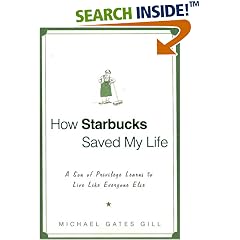
找了教授請求意見 是說那本書果然被打回頭啊……(明明狠喜歡的喔,每一天都有一則來自世界各地的歷史小故事) 幸好還有後備的書↓ How Starbucks Saved My Life: A Son of Privilege Learns to Live Like Everyone Else The son of New Yorker writer Brendan Gill grew up meeting the likes of Ezra Pound and Ernest Hemingway. A Yale education led to a job at prestigious J. Walter Thompson Advertising. But at 63, the younger Gill's sweet life has gone sour. Long fired from JWT, his own business is collapsing and an ill-advised affair has resulted in a new son and a divorce. At this low point, and in need of health insurance for a just diagnosed brain tumor, Gill fills out an application for Starbucks and is assigned to the store on 93rd and Broadway in New York City, staffed primarily by African-Americans. Working as a barista, Gill, who is white, gets an education in race relations and the life of a working class Joe . Gill certainly has a story to tell, but his narrative is flooded with saccharine flashbacks, when it could have detailed how his very different, much younger colleagues, especially his endearing 28-year-old manager, Crystal Thompson, came to accept him. The book reads too much like an employee handbook, as Gill details his duties or explains how the company chooses its coffee. Gill's devotion to the superchain has obviously changed his life for the better, but that same devotion makes for a repetitive, unsatisfying read. Photos not seen by PW. (Sept.) 又一城 Page One 的員工狠捧喔,因為想要揍書所以請書店介紹英文書,員工狠耐心的聽完𤅟現在面對的難題後給了不少建議,而且有幫忙去找找看這些書有沒有中文譯本 而且而且,他狠好人的說下次買書可以找他幫忙,他可以用折扣買書喔(Page One 有不少英文書根本是座地起價嘛,真是太好了∼) 因為有好人的幫忙,所以決定用這一本書做論文(雖然人家之前還預留了一本↓) 740 Park: The Story of the World's Richest Apartment Building Of all Manhattan's fabled East Side dwellings of the super-rich, 740 Park Avenue has perhaps the best pedigree. Designed by Rosario Candela and developed by James T. Lee, Jackie O's maternal grandfather, as a cooperative haven for the elite, it had the misfortune to open just as the stock market crashed in 1930 and was forced to operate partly as a rental for some decades. The last sale was to Lee himself, for son-in-law "Black Jack" Bouvier, his wife and daughters Jackie and Lee. John D. Rockefeller Jr. signed a rental lease in 1936 for a massive apartment (more than 20,000 square feet), and Marshall Field III took another. Gross (Model) has solidly researched the denizens of the building, who they were, what they did, and who and how many times they married. This information, while exhaustive, is also exhausting. Things perk up as we approach the modern era, and the old rich give way to a newer cast of sometimes dubious billionaires. Ron Perelman, Henry Kravis, Steve Ross and Steve Schwartzman are cited among the newer tenants. A bit of a bore for average readers, this will be a useful tome for those interested in New York's social history. 曼哈頓上東區的高級住宅裡,最具傳奇色彩的莫過於公園大道740號這棟公寓了。由當時頂尖建築師Rosario Candela設計,賈桂琳•歐納西斯的外祖父James T. Lee推動的菁英住宅,啟用時恰逢一九三0年股市崩盤,之後隨著經濟的變化,住戶、買家也從上流社會血統轉為在金錢遊戲獲利的新貴族,作者以一棟建築勾勒出近一世紀以來紐約上流社會的歷史。 |
|
瀞 譯愛譯恨 |

| 訪客留言 (返回 sei 的日誌) |  |
|
瀞 | |||||||||||||||||||||||||||||||||||||||||||||||||
|
暱稱: 瀞 | |||||||||||||||||||||||||||||||||||||||||||||||||
|
New Entry | |||||||||||||||||||||||||||||||||||||||||||||||||
|
| |||||||||||||||||||||||||||||||||||||||||||||||||
|
Categories | |||||||||||||||||||||||||||||||||||||||||||||||||
|
| |||||||||||||||||||||||||||||||||||||||||||||||||
|
Calender | |||||||||||||||||||||||||||||||||||||||||||||||||
|
| |||||||||||||||||||||||||||||||||||||||||||||||||
|
Archive | |||||||||||||||||||||||||||||||||||||||||||||||||
|
| |||||||||||||||||||||||||||||||||||||||||||||||||
|
Friends | |||||||||||||||||||||||||||||||||||||||||||||||||
|
| |||||||||||||||||||||||||||||||||||||||||||||||||
|
Statistic | |||||||||||||||||||||||||||||||||||||||||||||||||
|
| |||||||||||||||||||||||||||||||||||||||||||||||||
|
first love | |||||||||||||||||||||||||||||||||||||||||||||||||
|
字多田光 - first love | |||||||||||||||||||||||||||||||||||||||||||||||||
|
Bloggers | |||||||||||||||||||||||||||||||||||||||||||||||||
|
| |||||||||||||||||||||||||||||||||||||||||||||||||
|
Blog Pet | |||||||||||||||||||||||||||||||||||||||||||||||||
|
| |||||||||||||||||||||||||||||||||||||||||||||||||
| |||||||||||||||||||||||||||||||||||||||||||||||||